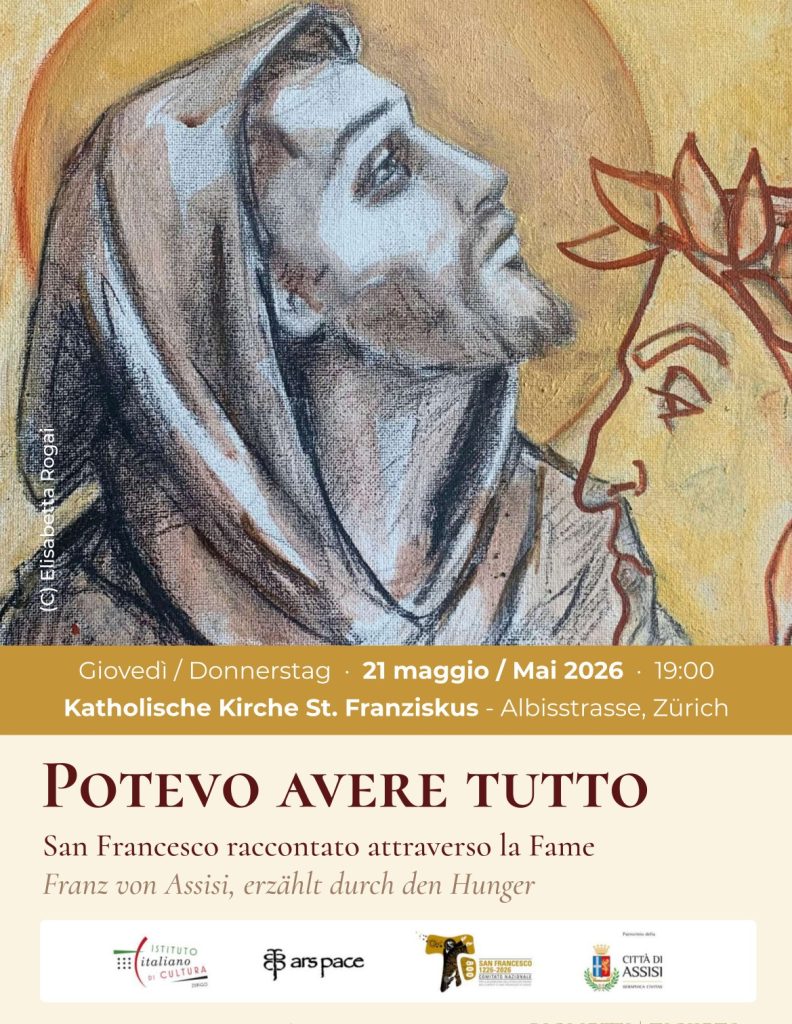
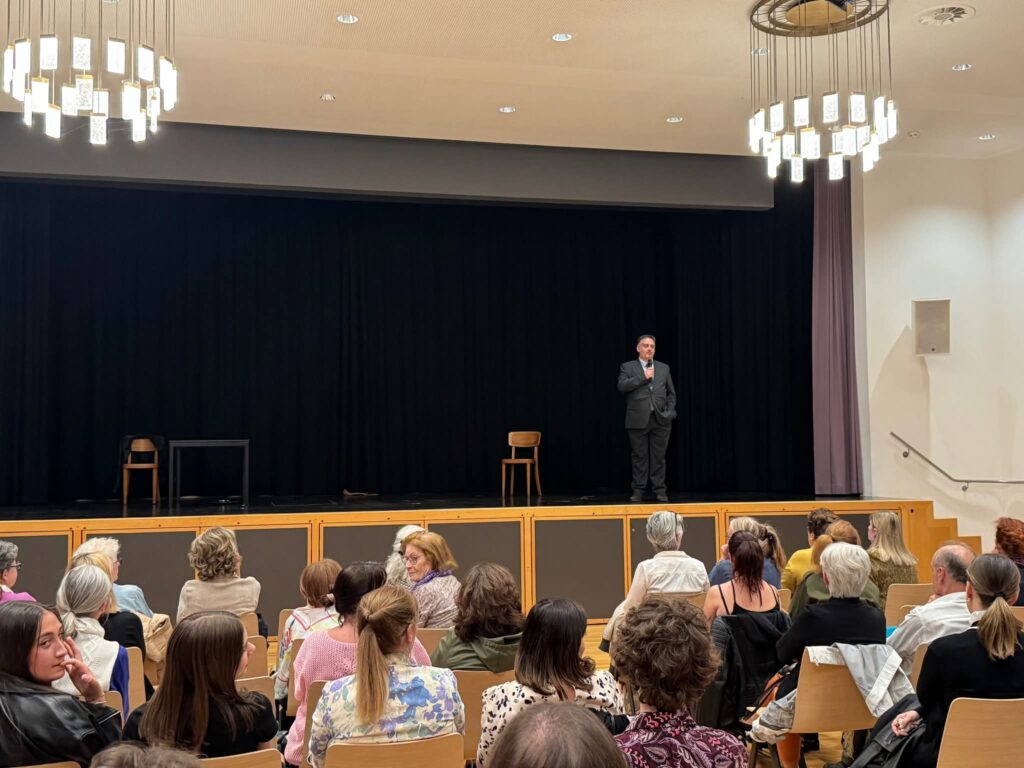
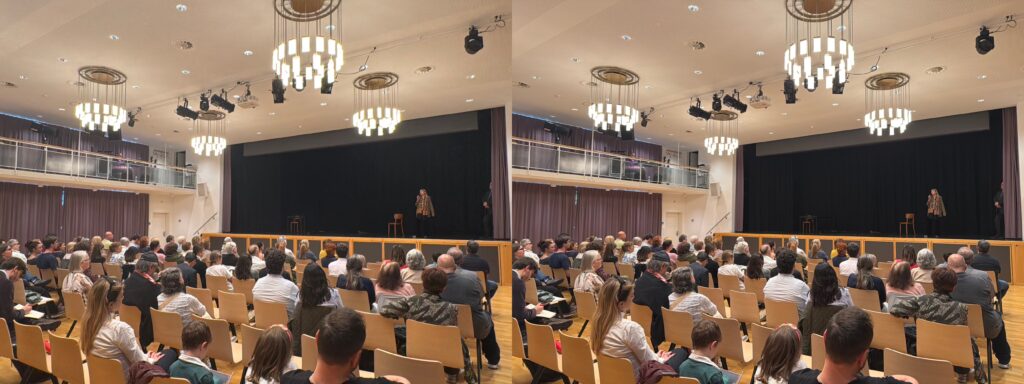
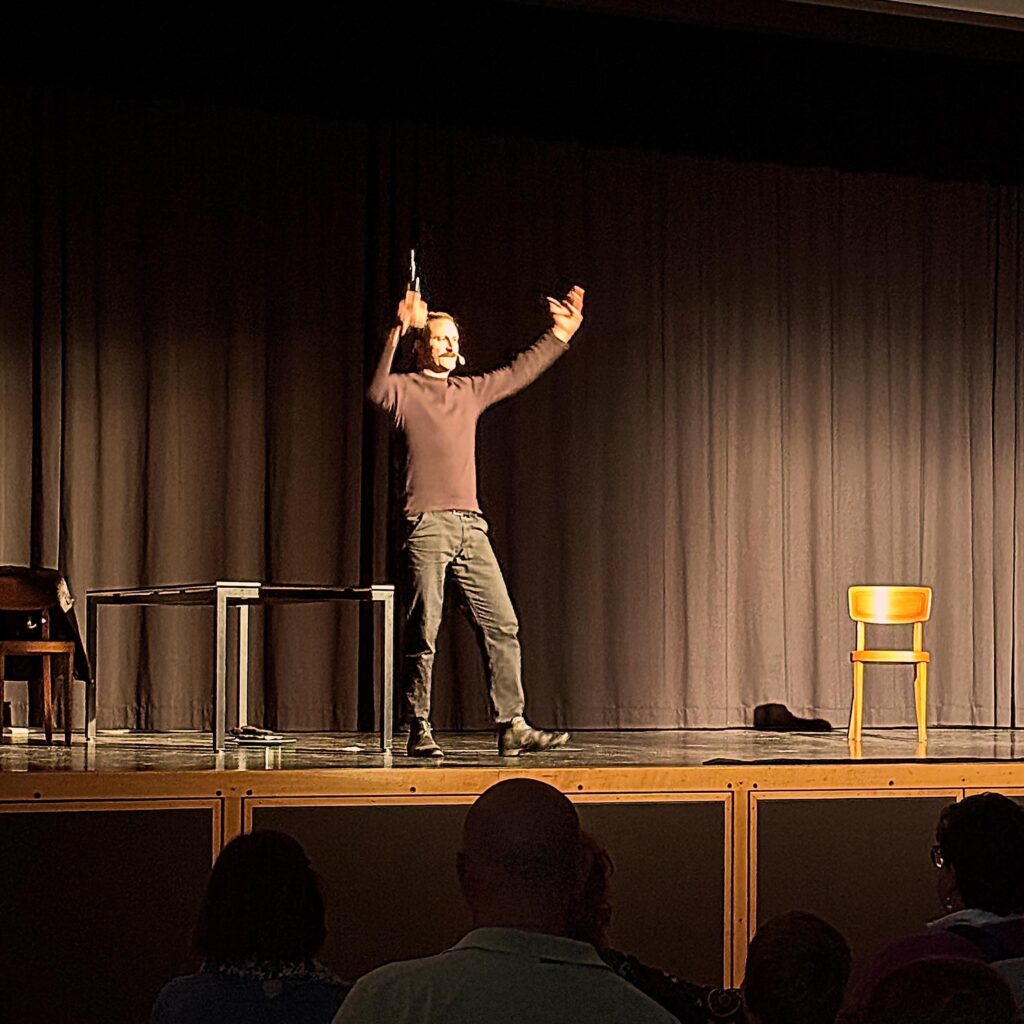
In Zurich (Switzerland), on Thursday, May 21, 2026, at 7:00 pm, in the great hall of the historic Church of St. Franziskus, in Albisstrasse, the recital “Potevo avere tutto” (I Could Have It All) – conceived and performed by Luisa Benevieri, Roberto Costantini and Daniele Ridolfi – was successfully performed. It is a monodrama that tells the story of Saint Francis of Assisi, in which Hunger, an exceptional narrator, is the companion of his life as a beggar.
The performance, sponsored by the City of Assisi and the National Committee for the Celebration of the Eighth Centenary of the Death of Saint Francis of Assisi (1226-2026), was organized by the Italian Cultural Institute in Zurich and the Ars Pace Association, which took the initiative. In fact, this was the inaugural meeting of the event “The Ascension of St Francis in Dante’s Paradise”, which was conceived by Ars Pace, on the eighth centenary of the death of Saint Francis, to promote a new path of dialogue and culture dedicated to the figure of Saint Francis, whom Dante Alighieri recalls, after his passing, in Canto XI of Paradise. The programme features five special events, culminating on 4 October in Geneva with the Concert for Peace.
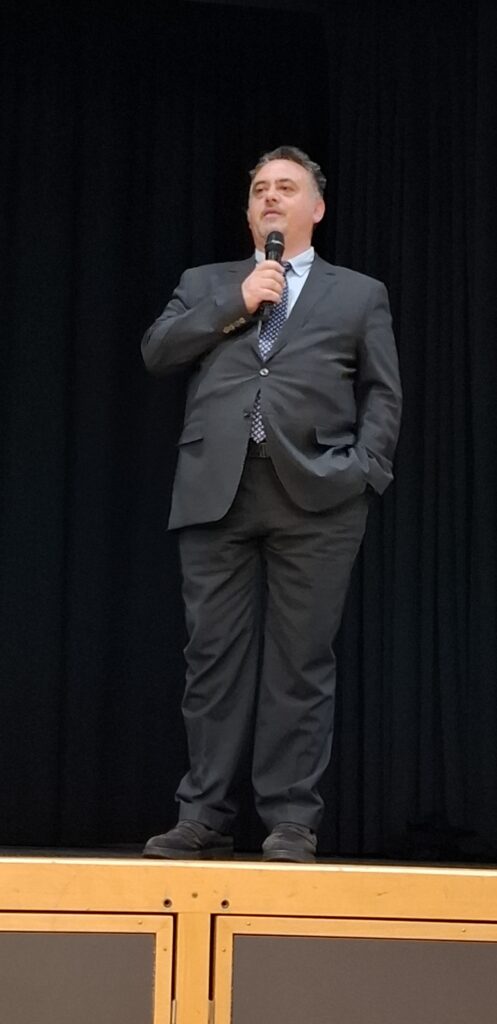
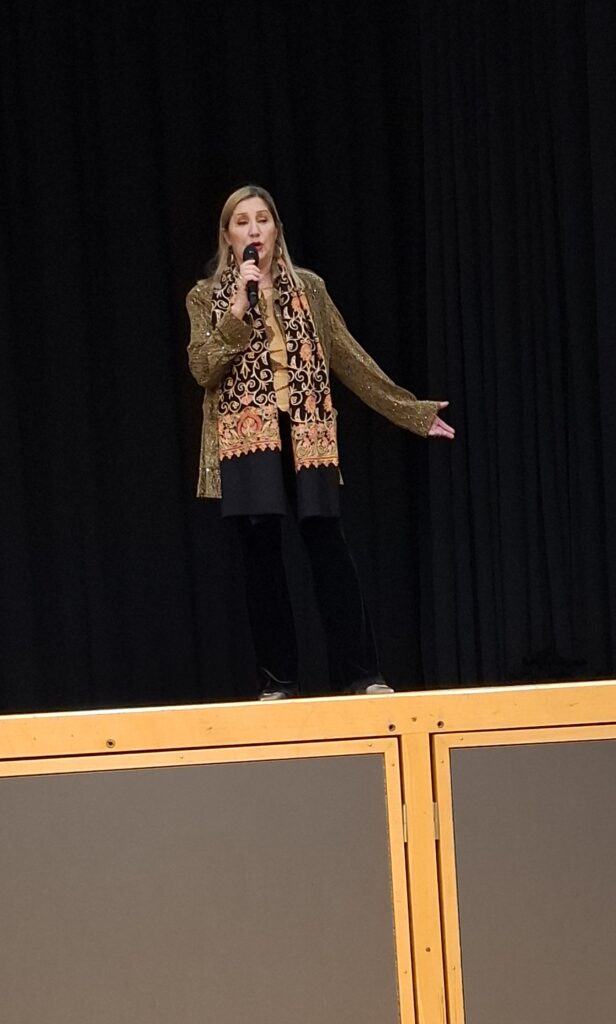
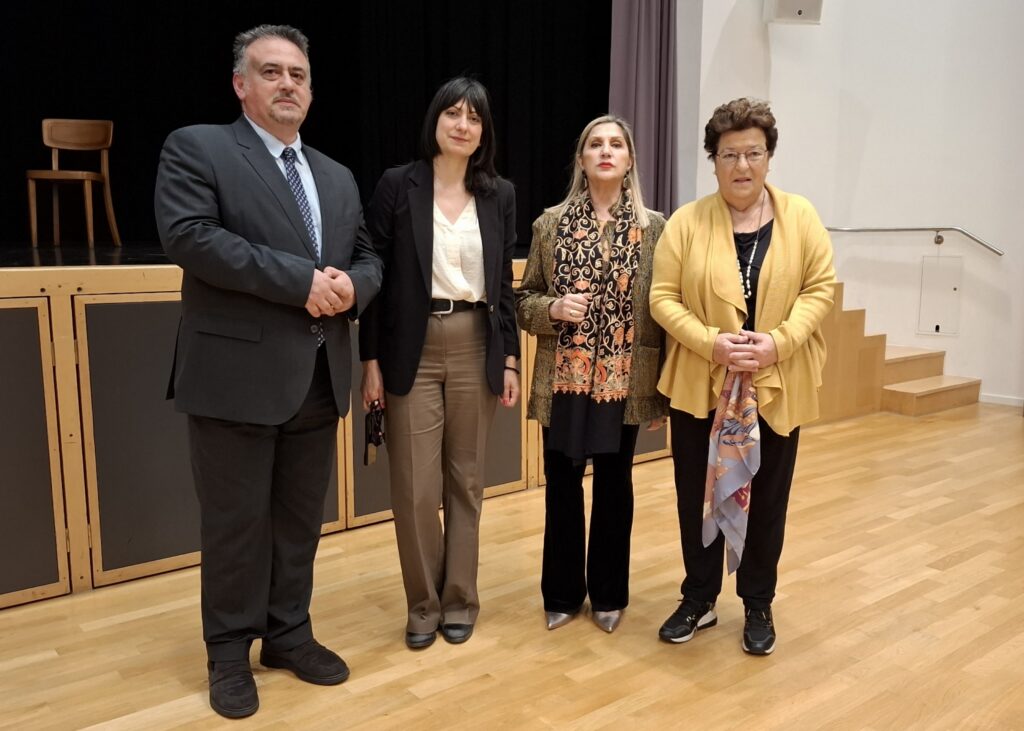
In Zurich, the event was introduced by Raffaele Pentangelo, Director of the Italian Cultural Institute in Zurich, and Monica Baldi, Vice President of Ars Pace, who declared:<The spiritual and linguistic legacy of the Saint, who contributed to the spread of the Italian language and culture, is universal and is based on human dignity and brotherhood, where the value of the message of peace is understood as solidarity diplomacy in all its forms.>
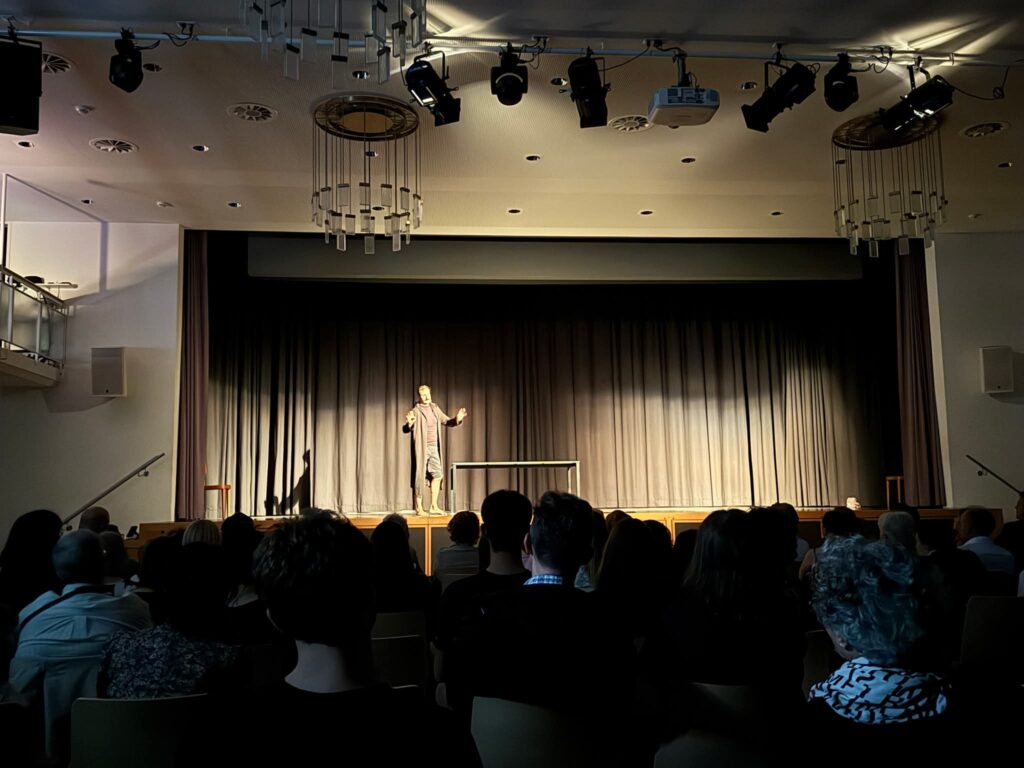
The play, written and performed by Daniele Ridolfi, is not a hagiography, but a concise account of the man before he became a saint. As the author and actor has explained: <Francis is not portrayed as a distant, fully formed figure, but is reinterpreted through his renunciations, which become a radical act of freedom. We are guided by an unexpected voice – Hunger – a presence that is both symbolic and tangible, which dialogues with Francis and the audience, revealing a journey of transformation. We chose Hunger as the narrative voice because it’s something we all know,” Ridolfi explains. “Hunger for food, but above all, a lack of emotion and social recognition. Our Francis doesn’t start from holiness, but from the body and its restlessness.>
The performance is structured as a journey through five symbolic scenes that guide the audience: from celebration to emptiness, from abundance to deprivation, from the desire to possess to the need to be. Words, movement and silence intertwine in a deeply intense performance, inviting the audience to take time to listen and reflect in the heart of the city.
In an age dominated by excess, “I Could Have It All” portrays a Francis who is earthly, fragile, and close, capable of still questioning our idea of freedom today.